

NASA’s Artemis 2 astronauts could head to the moon in a matter of weeks
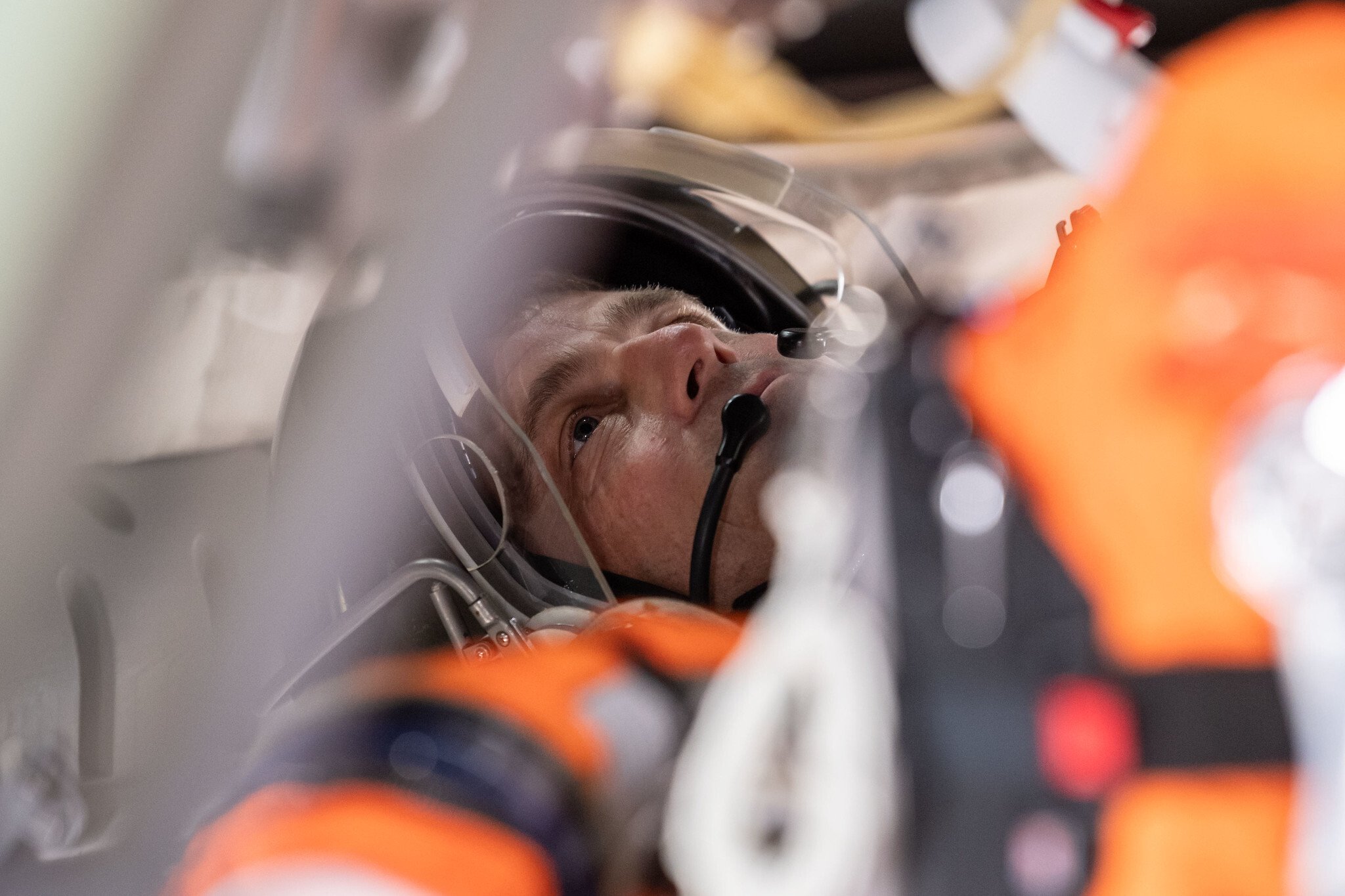
More than three years since the Orion capsule’s inaugural voyage, NASA is about to shoot the capsule into space again — but this time four astronauts will ride it to the moon.
Artemis II — which mission leaders say could happen as early as two weeks from now in February — is a crucial practice run for NASA’s hardware that turns Artemis I‘s uncrewed success into a fully human mission.
“While Artemis I was a great success, there are new systems and new capabilities that we will be demonstrating on Artemis II, including the life support systems, the display capabilities, software, and et cetera,” said Lakiesha Hawkins, NASA’s acting deputy associate administrator for exploration systems development. “This is a stepped approach, and all that we learned from Artemis II, we will build upon that to prepare us for our first crewed landing on the surface of the moon for Artemis III.”
Though the crew won’t ever leave the confines of the spaceship during their 10-day mission, the four members will hold a place in history as the first space travelers of Artemis, the new exploration program named after Apollo’s goddess twin. It’s the beginning of NASA’s ambitious plan to send astronauts to Mars by the late 2030s, preparing for a world far less hospitable than Earth.
This second Artemis mission — the first crewed lunar flyby in over 50 years — raises the stakes. Instead of just proving that the Space Launch System rocket and capsule can survive, NASA must show that the vehicles can keep people alive on a 10‑day trip around the moon and back. The mission will test crew controls and emergency options that future astronauts will rely on when NASA tries to land on the lunar surface and eventually push on toward Mars.
Artemis II will carry Commander Reid Wiseman, pilot Victor Glover, and mission specialists Christina Hammock Koch and Jeremy Hansen. Hansen, a Canadian Space Agency astronaut, will be the first international crewmate on a lunar mission.
The astronauts will launch from Kennedy Space Center in Cape Canaveral, Florida, atop the 322-foot mega moon rocket, loop around the moon on a roughly four‑day outbound trip, fly about 4,600 miles beyond it, and return to a splashdown off the coast of California.
Credit: NASA infographic
That distance could set a new human spaceflight record, exceeding the one set by Apollo 13, which traveled 248,655 miles from Earth in 1970. Whether Artemis II reaches its planned 257,000 miles depends on when exactly the mission launches.
Koch said she had recently met Fred Haise, now in his 90s and the last surviving Apollo 13 crew member.
“He said, ‘I heard you’re going to beat our record,’ and it made me realize maybe he’s paying attention to it more than we are. I think that sometimes when we talk about superlatives, we may inadvertently ignore the real story of what’s going on in our mission,” she said. “It’s not about farthest, first, fastest, longest. It’s about the teamwork.”
A major change from the 25-day Artemis I mission in 2022 is the path the crew will take. Artemis II will use what NASA calls a “free return trajectory,” which means once Orion heads toward the moon, gravity from Earth and the moon will naturally bend the spaceship’s course back home, even if later engine burns fail.
Another big difference comes right after launch. Before committing the astronauts to deep space, NASA will park Orion in a high Earth orbit that takes about a day to complete. That gives the team time to thoroughly check the spacecraft while it remains relatively close to home.
“When we get off the planet, we might come right back home, we might spend three or four days around Earth, we might go to the moon,” Wiseman said. “That’s where we want to go, but it is a test mission, and we are ready for every scenario.”
During this phase, the crew will perform a test of how Orion handles when astronauts steer it — practice for later missions that must dock with a lunar lander. Once the ship separates from the upper stage, they’ll turn Orion around and manually fly near the spent propulsion section, using cameras and windows to approach and back away.
Credit: NASA / Frank Michaux
For the return home, NASA has tweaked its original re-entry plan after discovering damage to Orion’s heatshield following Artemis I. Engineers have since adjusted the flight path so the capsule doesn’t plow through the atmosphere as hard or as long. By aiming closer to San Diego, California, versus Baja California, Mexico, they can shorten the hottest part of the ride.
While the agency has committed to launching Artemis II no later than April 2026 and is working toward a possible February window, which opens Feb. 6, mission leaders stressed that schedule will never outrun safety.
“I’ve got a good eye for launch fever,” said John Honeycutt, head of the mission management team. “I’m not going to tell the agency that I’m ready to go fly until I think we’re ready to go fly.”
Mashable