

July Full Moon 2026: See the Buck Moon
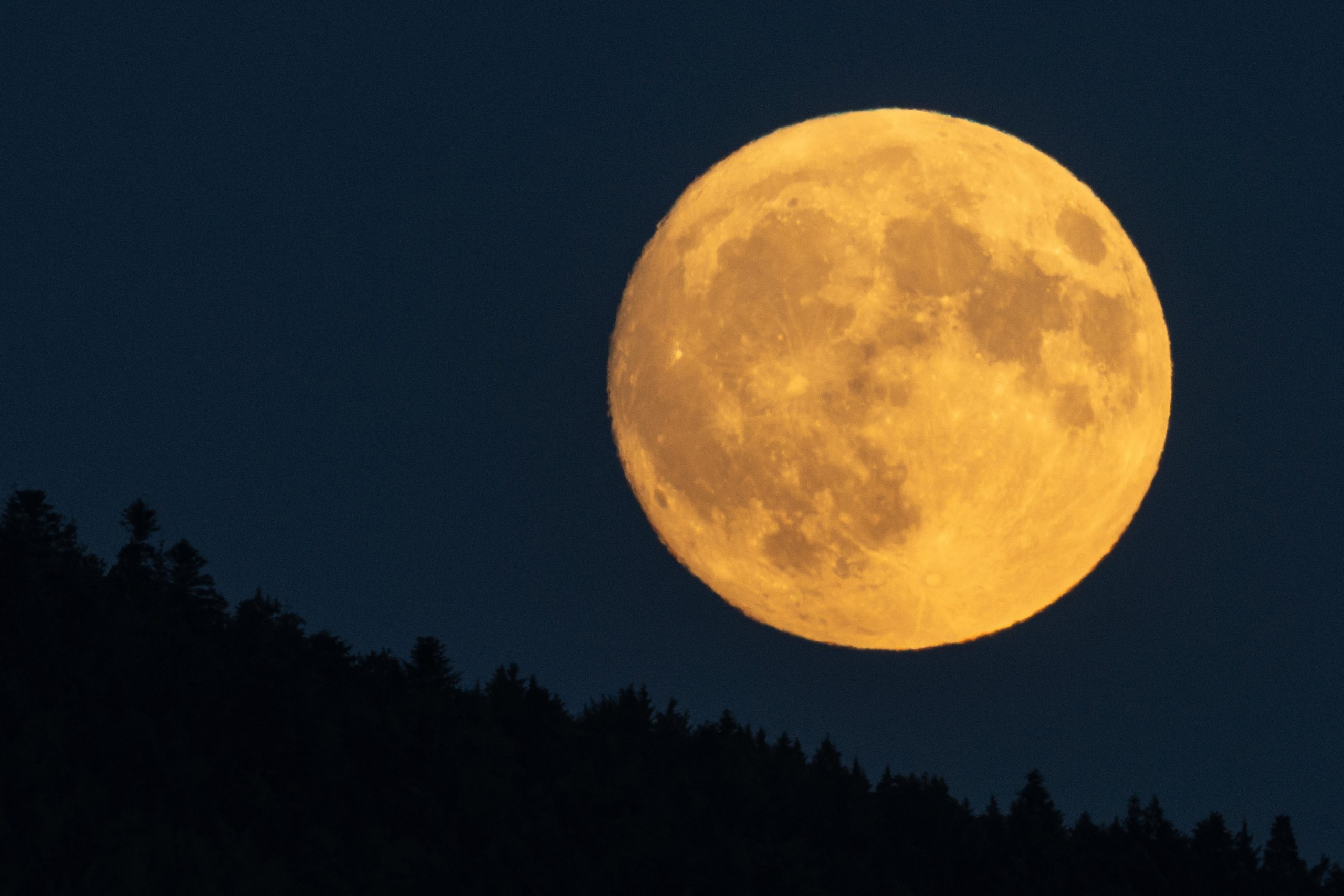
The July Full Moon is almost here, and this month it’s known as the Buck Moon. While it may sound like it has something to do with how the Moon looks in the sky, its name actually comes from the time of year and the seasonal changes happening on Earth.
Want to know more about July’s Full Moon? Keep reading to find out when to see it and why it has this name.
When is the July full moon?
The Full Moon will occur on Wednesday, July 29. Time and Date estimates it will peak at 10:30 a.m. ET.
What is the July full moon called?
The July Full Moon is known as the Buck Moon.
According to Royal Museums Greenwich, July’s Full Moon is known as the Buck Moon because it coincides with the time of year when male deer begin to grow their antlers again. The antlers, which are shed and regrown each year, start to appear during the summer months.
When is the next full moon?
The next Full Moon will take place on August 28.
What are the lunar phases?
The Moon goes through a complete cycle of eight phases as it travels around Earth, taking around 29.5 days to do so. Although we always see the same side of the Moon, the amount of its sunlit surface visible from Earth changes throughout its orbit. This makes the Moon appear to shift from fully illuminated to a small crescent and back again as the cycle repeats. The phases are:
New Moon — The moon is between Earth and the sun, so the side we see is dark (so, we don’t see anything).
Waxing Crescent — A small sliver of light appears on the right side
First Quarter — Half of the moon is lit on the right side. It looks like a half-moon.
Waxing Gibbous — More than half is lit up, but it’s not quite full yet.
Full Moon — The whole face of the moon is illuminated and fully visible.
Waning Gibbous — The moon starts losing light on the right side
Third Quarter (or Last Quarter) — Another half-moon, but now the left side is lit.
Waning Crescent — A thin sliver of light remains on the left side before going dark again.
Want more science and tech news delivered straight to your inbox? Sign up for Mashable’s Light Speed newsletter today.
Mashable