


Watch SpaceXs wildest test yet: A 22-hour flight and a historic return
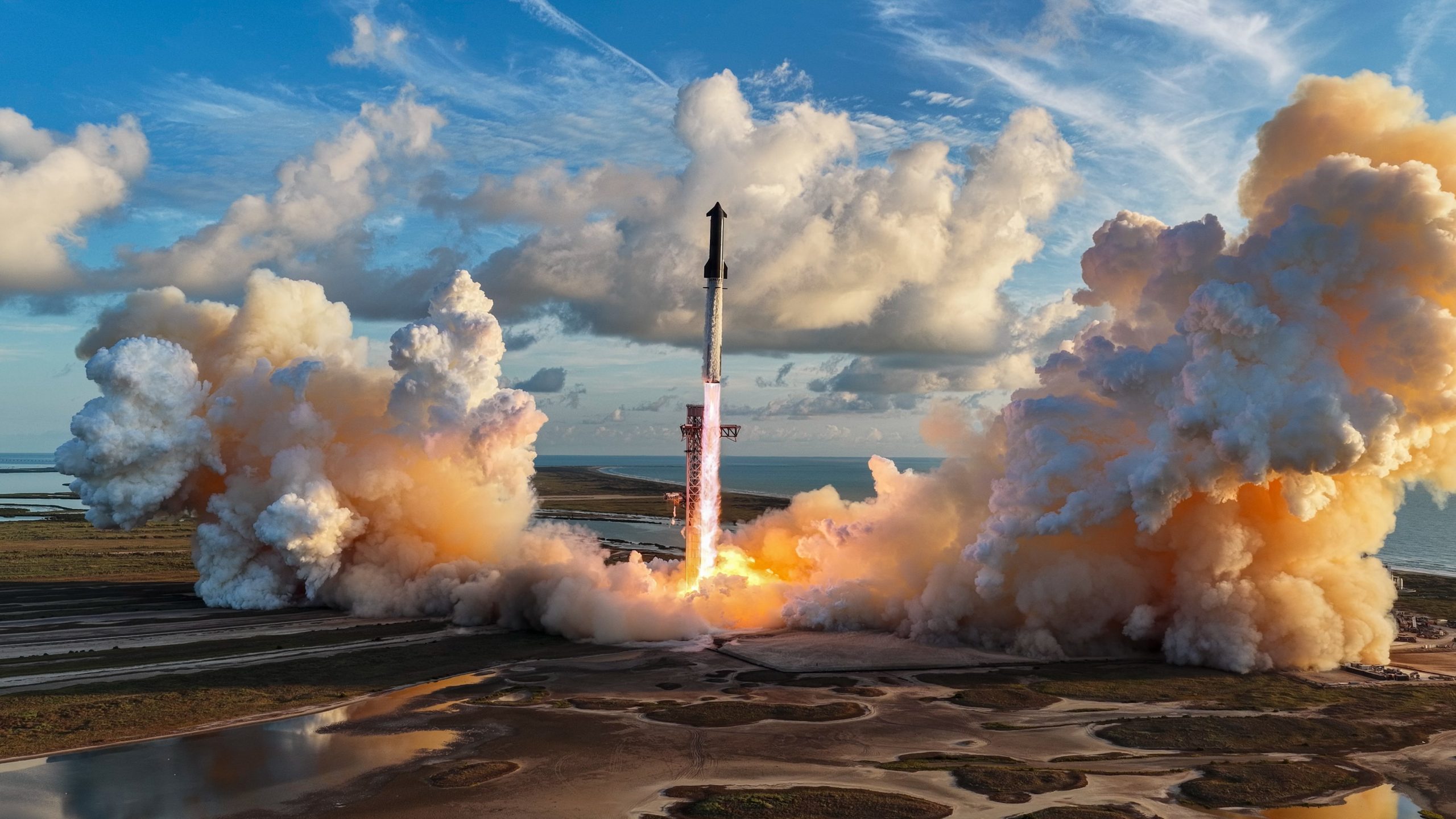
SpaceX will try to catch both halves of its giant Starship in one launch, grabbing the booster minutes after liftoff and the ship nearly a full day later.
No one has pulled off such a feat before. If both attempts work, the company says it will become the first to recover an entire orbital rocket for reuse. SpaceX has caught its Super Heavy booster three times before, but it has never tried to catch the the ship — the part that actually reaches orbit — until now.
This test, known as flight 15, seeks to make a leap in progress and could launch as soon as Friday, Nov. 13. Starship’s flight 14 test was the first to enter orbit, but controllers cut its planned nine-hour mission short. This time, SpaceX wants the ship to stay in space for about 22 ½ hours and land both pieces back at its Starbase launch site in South Texas, where huge mechanical arms will be waiting to snatch them out of the air.
The stakes reach far beyond Texas. NASA is counting on Starship as one of two lunar landers, along with Blue Origin’s Blue Moon, to put astronauts on the moon as soon as 2028. To get there, Starship must refuel in orbit, which takes a series of fuel-hauling launches. SpaceX can only fly that often if it reuses its rockets the way airlines reuse jets. China, meanwhile, aims to land its own crew on the moon before 2030. And while SpaceX juggles the NASA contract, founder Elon Musk is laser-focused on his personal ambition of getting the rocket and ship ready to carry people to Mars and build a city there.
How to watch flight test 15
If Starship lifts off when the launch window opens at 5:45 p.m. ET / 4:45 p.m. CT Friday, the final ship catch after reentry into the atmosphere would happen around 4:18 p.m. ET / 3:18 p.m. CT Saturday. SpaceX will livestream the flight on its website and X, starting around 5:15 p.m. ET / 4:15 p.m. CT Friday, or about 30 minutes before liftoff.
This spaceflight will stress Starship like never before. The ship will circle Earth about 14 times and release 26 new Starlink internet satellites. It will fly for about 21 hours until its path lines up with Starbase. Then, its engines must fire again to bring it home.
Credit: SpaceX
“Relying on this engine to get us there for that final one percent of a historic return-to-launch-site mission is pretty scary,” said Lars Blackmore, senior principal Mars landing engineer, in a new company video, “Go for Orbit.”
Want more science and tech news delivered straight to your inbox? Sign up for Mashable’s Light Speed newsletter or get Mashable push alerts today.
The trip back to Earth brings a new kind of risk. Every earlier Starship ended its flight with a splashdown in open ocean. This time, the ship will cross parts of northern Mexico and southern Texas, steering around the region’s larger cities. People in and around Cameron County may hear sonic booms, the loud bangs a vehicle makes when it outruns the speed of sound.
But things might not work out as planned. Controllers will only bring the ship home if it passes a set of FAA-approved health checks. If anything looks wrong, they can ditch the ship in the ocean instead. SpaceX built into the timeline ways to bail out near Hawaii and off the coast of Chile.
This Tweet is currently unavailable. It might be loading or has been removed.
The video shared in the above X post is an animation of what the Starship catch should look like during flight test 15 if all goes as planned.
The September test showed why those backup plans matter. During the climb to space, one of the ship’s engines shut down early. The team first called off the trip to orbit, then pressed ahead, apparently after Musk questioned the conservative decision.
“We had thought, like, ‘Hey, let’s not proceed if anything goes wrong,'” said Jeremy Pedro, director of Starship engineering, in the video. “And Elon really questioned the requirements and asked us, ‘Is there anything actually prohibiting us from going forward?'”
The ship successfully released all of its satellites, but controllers brought it down early near Hawaii.
“On launch day, we get risks from the engine team, from avionics, from the computers, from the propulsion system, from all the plumbing on the rocket. We get risks from the launch pad. We get risks from the tower and the catch arms,” said Shana Diez, director of Starship engineering, in the video. “But the goal is always to take the risk in the place where you can learn the most, and that’s the calculus that we’re doing every day.”
Mashable