
Was 2016 the last good year?
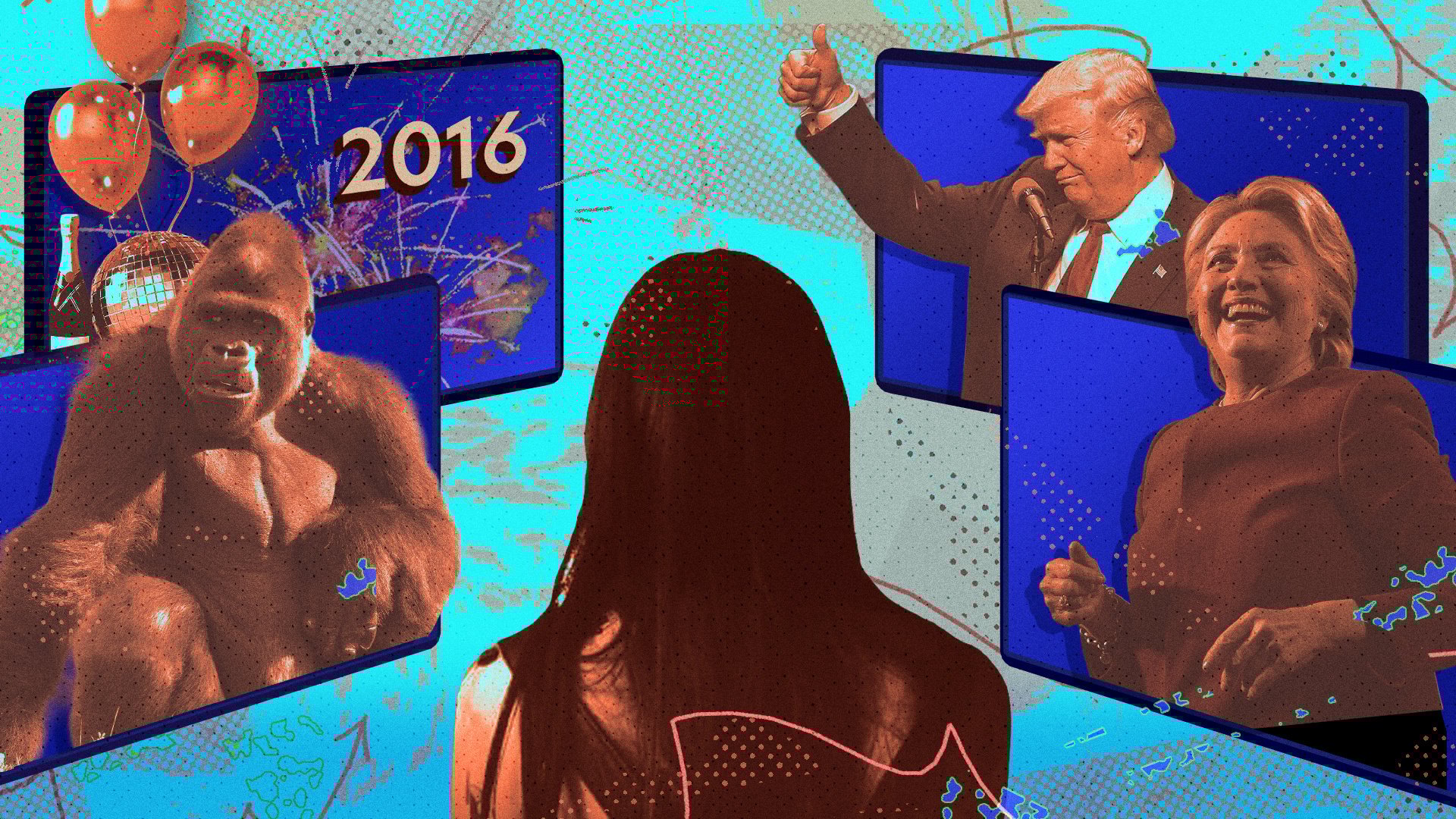
There was something undeniably weird about 2016. Not weird in the charming, “remember Vine?” sense, but weird in the way history feels right before it tips over.
It marked a slow descent into collective unease, beginning with the surreal recapture of El Chapo, winding through celebrity deaths and the mainstreaming of one particular cartoon frog, and finally cratering with the presidential election of reality TV star Donald Trump. At the time, many outlets openly wondered whether 2016 was the worst year ever.
And yet, for a certain slice of Gen Z, 2016 wasn’t the beginning of the end. It was the last good summer of our lives. According to GWI, 42 percent of Gen Z respondents report feeling nostalgic for the 2010s — a sentiment especially visible on TikTok, where obsession with 2016 has become its own trend.
It’s not surprising, as nostalgia is an inevitable part of life. People are already talking about how “good we had it” in 2020, even though, by some crucial metrics, that year was even worse. But for older Gen Z, 2016 — more specifically, the summer of 2016 — hits a particular part of the brain. For many of us, it was the last time we were allowed to be kids.
It was the year I graduated high school. Senior prom. My first election. The last time I saw my dad. And, inexplicably, the one brief week when I genuinely cared about Pokémon.
As Tess May writes for Rowdy, maybe it’s a longing for a time before — when the internet meant Vine, Harambe memes, Snapchat dog ears, and rainbow filters. “It’s Gen Z saying, ‘We want the internet to feel human again,'” May writes.
Part of what makes 2016 nostalgia so sticky is how thoroughly it’s been repackaged by platforms. On TikTok alone, “2016 vibes” has become its own aesthetic: filters that blur the present just enough to resemble memory, POV videos about being a teenager again, and rankings of songs that somehow sound better when they’re stripped of everything that came after.
As one breakdown of the trend notes, it’s not a coincidence that so many people are yearning for the internet before it became fully algorithmic, before every post felt like it was auditioning for engagement.
That yearning isn’t really about the year itself. It’s about what life felt like before everything became so performative and optimized; before being online meant building a brand; before politics consumed every feed; and before the future felt permanently foreclosed. In that sense, 2016 becomes a stand-in for a broader desire. A time when things still felt lighter, even if that lightness was more a product of youth than reality.
The danger, of course, is that nostalgia flattens history. As The New Republic points out, Gen Z’s longing often isn’t for a time they remember clearly, but for a version of the past they never truly experienced. That impulse can drift beyond culture and into politics, turning “things were better back then” into something more reactionary, even if it starts from a place of exhaustion rather than ideology.
Still, it’s hard to ignore why this impulse exists at all. Gen Z came of age through financial crises, mass shootings, climate anxiety, a pandemic, and now a political landscape that feels permanently stuck in reruns. Compared to that, 2016 feels like the last moment before the feed refreshed and never stopped loading. Maybe it really was the last good summer. Or maybe it was just the last time we didn’t yet know how bad things were going to get.
Either way, the nostalgia says more about now than it does about 2016. And until the present feels livable again, we’ll probably keep looking backward, scrolling through a year that felt human enough to miss. Maybe in 2036, Mashable’s Gen Alpha reporter will write about how 2026 was the last good year.
Mashable