


Moon phase today: What the Moon will look like on May 28
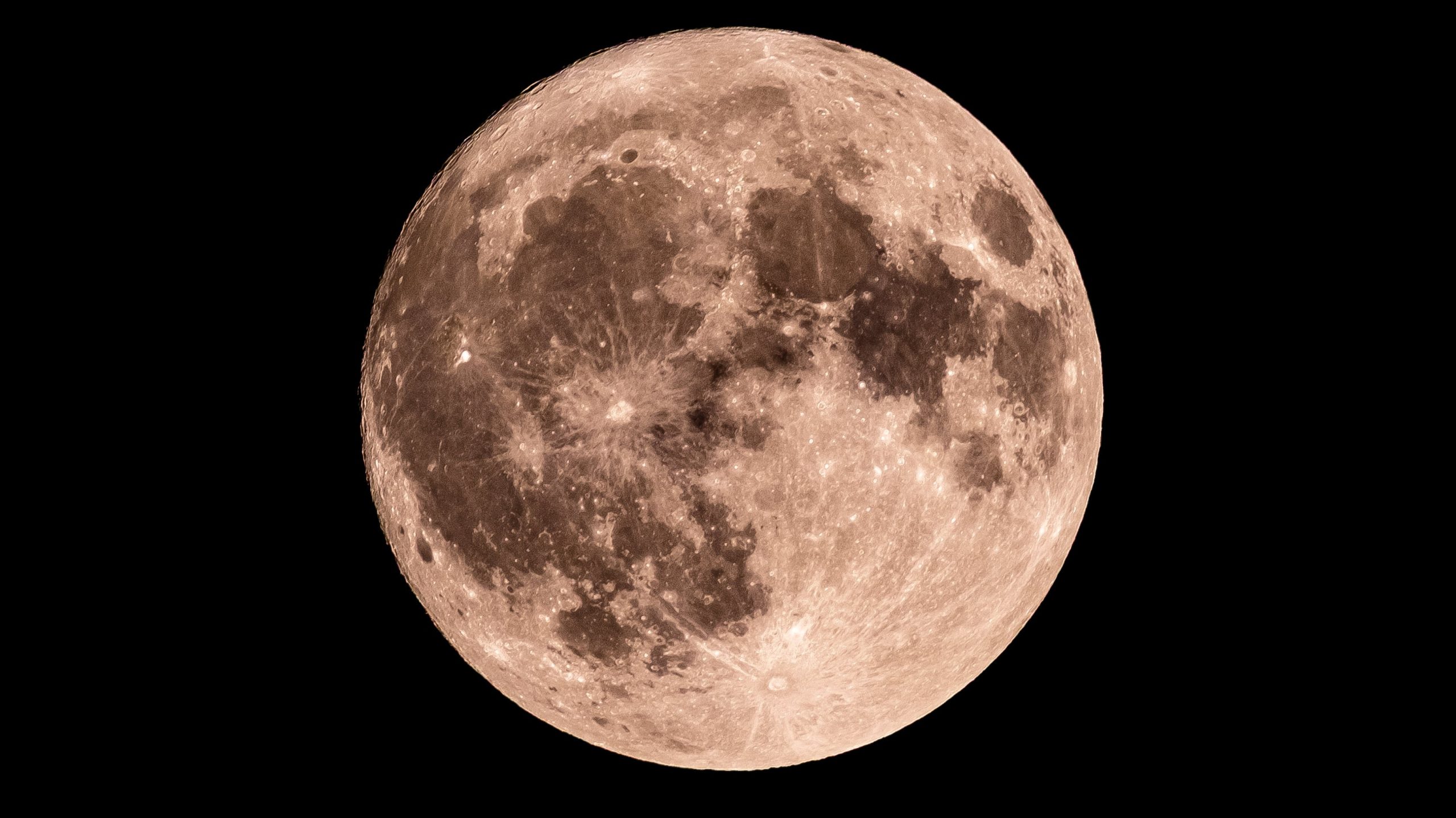
The Moon is big and bright in the sky tonight, so what can you see? With the help of NASA’s Daily Moon Guide, keep reading to find out.
What is today’s Moon phase?
As of Thursday, May 28, the Moon phase is Waxing Gibbous. Tonight, 91% of the moon will be be lit up, according to NASA’s Daily Moon Guide.
You don’t need visual aids to be able to moon gaze, especially if its a clear night. With just your naked eye, you’ll be able to spot the Mares Imbrium and Vaporum, and the Kepler Crater. If you have binoculars you’ll also be able to catch a glimpse of the Posidonius Crater, Alphonsus Crater, and the Clavius Crater. If you have a telescope, you’ll see the Apollo 11, 14, and 17 landing spots.
When is the next Full Moon?
There are two Full Moons in May, with the next due to take place on May 31.
What are Moon phases?
According to NASA, the Moon takes around 29.5 days to orbit Earth, passing through a repeating pattern of eight distinct phases. Although the same side of the Moon always faces Earth, the portion illuminated by the Sun changes as it moves around the planet. This is what creates the different shapes we see in the night sky, from thin crescents to half Moons and the full Moon. Together, these phases form the lunar cycle:
New Moon – The Moon is between Earth and the sun, so the side we see is dark (in other words, it’s invisible to the eye).
Waxing Crescent – A small sliver of light appears on the right side (Northern Hemisphere).
First Quarter – Half of the Moon is lit on the right side. It looks like a half-Moon.
Waxing Gibbous – More than half is lit up, but it’s not quite full yet.
Full Moon – The whole face of the Moon is illuminated and fully visible.
Waning Gibbous – The Moon starts losing light on the right side. (Northern Hemisphere)
Third Quarter (or Last Quarter) – Another half-Moon, but now the left side is lit.
Waning Crescent – A thin sliver of light remains on the left side before going dark again.
Mashable