

Sports is the Gulf’s favorite soft power play. The World Cup is a hard test.
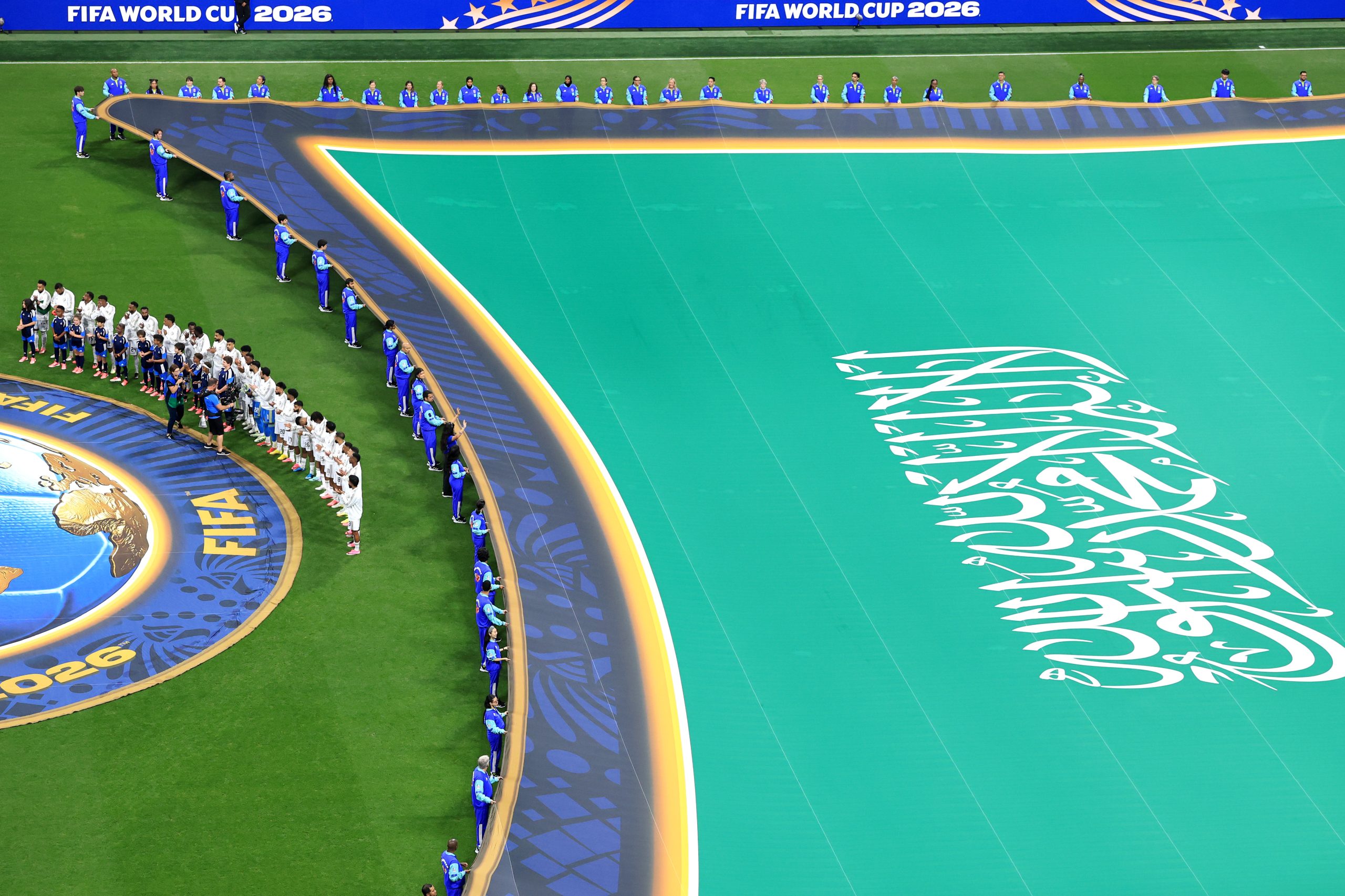
ATLANTA — Gulf countries have plowed billions of dollars into domestic soccer, led by a multi-year Saudi spending extravaganza that has brought global superstars and new attention to its domestic league. But it is doing little to improve their showing at the World Cup.
The United Arab Emirates failed to qualify. Qatar has been on the losing end of one of the tournament’s most lopsided scorelines. Saudi Arabia now needs a win in its next match to have any chance of progressing. The results, and the performances behind them mark a disappointment for the monied Gulf petromonarchies’ hope of wielding power through sports.
“The Saudis are using football to speed up soft power that would normally take decades to build: reputation, tourism, investment and global relevance,” said one business consultant who has worked with Riyadh on commercial strategy and was granted anonymity to protect relationships.
Saudi Arabia’s heavy defeat to Spain on Sunday may have been the most glaring moment of all. The country began its spending extravaganza in 2022, and has brought players who left their mark in Spain’s domestic league — including Cristiano Ronaldo, Neymar and Karim Benzema — but the Saudis couldn’t keep up in global competition.
“When we have these stars in the Arabian League, I think that the more competitive the competition, the better our players will be. But it’s different when we’re playing for the national team because in the national team — these experiences — there needs to be a certain mentality,” Saudi team manager Georgios Donis said at a post-match press conference on Sunday, in response to a question from POLITICO.
“I’m always a realist in what I see,” Donis continued, “and I believe that over time we’re going to put together an excellent, national team and we will come back to the level that we can with the opponents in the next team where we’ll be very competitive.”
The 2022 host nation Qatar, which owns European champion club Paris Saint-Germain and leading global broadcaster beIN Sports, was humiliated by Canada last week. The United Arab Emirates, which counts English giant Manchester City and Major League Soccer’s New York City FC in its soccer portfolio, has qualified for the World Cup only once, in 1990. The biggest name to join one of the Gulf domestic leagues, Cristiano Ronaldo of Riyadh’s Al-Nassr, has been ridiculed in international media for his detrimental impact on the Portuguese squad.
Those familiar with the thinking of Saudi soccer officials say they are trying to avoid the example of China, which found that signing big stars to its domestic league was economically unsustainable while doing little to improve the national team’s fortunes.
“That also showed the limits of buying attention without building lasting credibility, although the Chinese did it mostly for national prestige,” said the business consultant. “The Saudi approach feels more strategic. They are already getting attention and access. The bigger question is whether that becomes long-term credibility, and they seem pragmatic enough to change course if parts of the project don’t work.”
Authorities in Riyadh are realistic and regard the impact on elite level as being long term, said another industry figure who has worked on soccer with the Saudis. There is only so much time for patience, however: Saudi Arabia will hope for a stronger performance by the time it hosts the men’s World Cup in 2034.
Politics