

The best air purifiers for wildfire smoke tested: Our faves from Blueair, Coway Airmega, Shark, and more
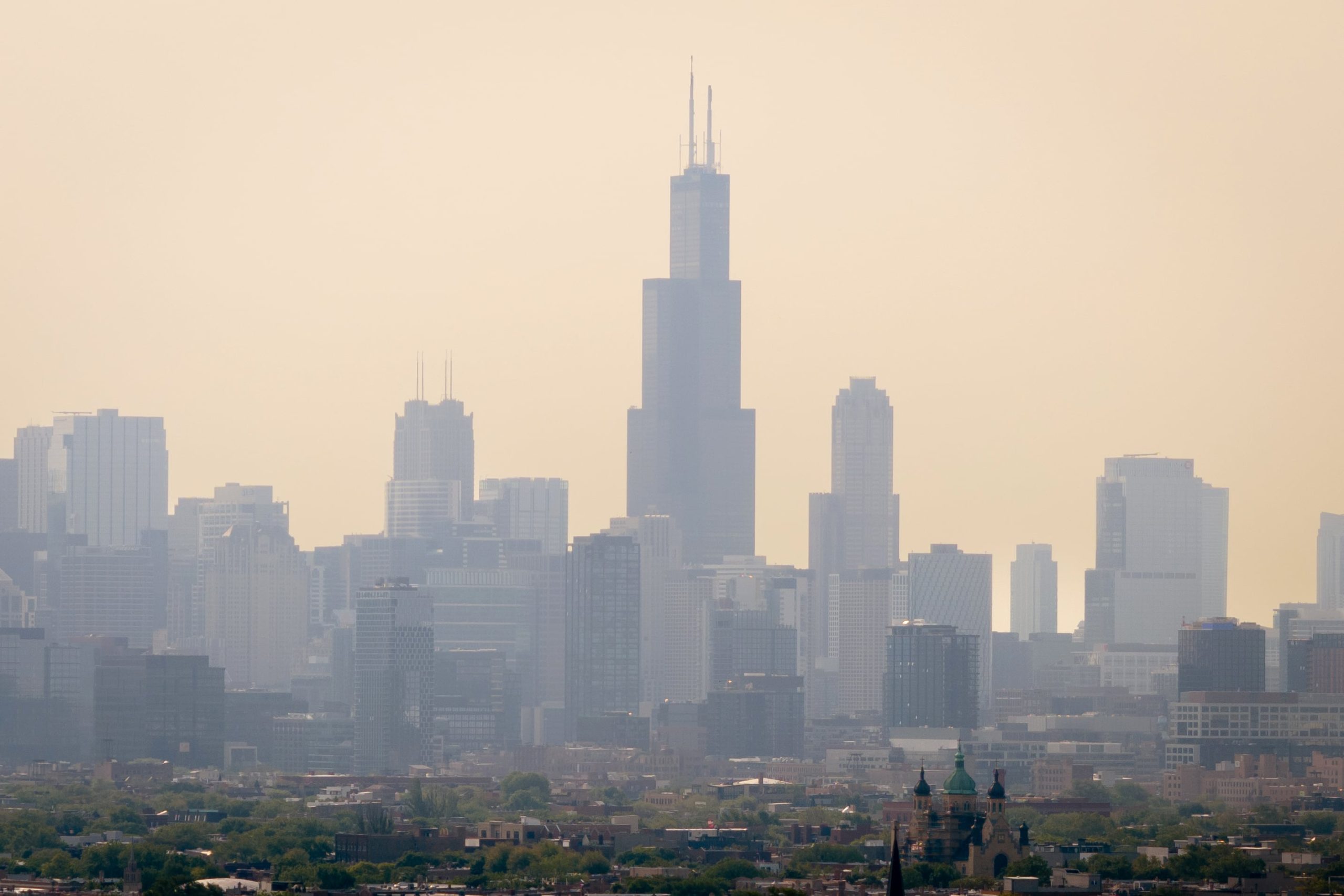
Can wildfire smoke get into your house?
Yes. It won’t be visibly hazy like it is outside, but particulate matter like wildfire smoke — 20 to 30 times smaller than a human hair — can seep into your home in several different ways. Many air purifiers have sensors that provide live air quality metrics from the room they’re in, including PM2.5 (particulate matter).
Indoor air still isn’t innately clean when there’s not a major air quality event happening. Indoor air pollution can be caused by cleaning products, cooking smoke, or microplastics embedded into dust or pet dander. It’s all the more reason to keep an air purifier running 24/7 at home, regardless of whether you have allergies or not.
Just how bad is wildfire smoke for our health?
According to the U.S. Centers for Disease Control and Prevention, wildfire smoke can cause breathing issues, headaches, lethargy, coughing, and wheezing, to name a few ill effects. This applies to everyone after repeated exposure, not just “sensitive groups.”
Even if you feel fine, smoke particles are small enough to get into our bloodstream. According to Yale Medicine, that means they also have access to other organs like the heart and the liver. Over time, exposure to PM 2.5 might lead to an increased risk of cancers, heart attack, and cognitive issues. Particulate matter like smoke can also mess with your skin barrier and trigger oxidative stress, actively working against your skincare routine.
Those who have asthma, heart disease, or diabetes are at an increased risk of getting sick. Kids and pregnant people are also considered high-risk when it comes to getting sick from wildfire smoke.
Wildfire smoke also affects the health of our pets. It can irritate their eyes, make it hard for them to breathe, or damage their tiny respiratory systems. The American Veterinary Medical Association says that if we can see or feel the effects from smoke, our pets can as well. That’s especially true for pets with cardiovascular or respiratory issues.
The benefits of an air purifier
If your neighborhood gets socked in with wildfire smoke, the Environmental Protection Agency (EPA) recommends you keep windows and doors closed. Even still, it’s possible smoke can seep in under doors, through cracks, or from vents in the kitchen and bathroom. Running a portable air purifier can help cut down on harmful particles that might enter your home.
Air purifiers work by sucking in the room’s air and sending it through a filtration system.
Most high-quality air purifiers do so with a HEPA filter (High Efficiency Particulate Air) in addition to a few other filters. A pre-filter is a great addition, and it looks similar to a screen with a fine weave. These help capture dust and hair, which leaves the more-important HEPA filter cleaner and less clogged up from larger debris that can float around in the air. A HEPA filter is capable of removing 99.97% of tiny particulate matter in the air that we can’t see, but can cause us discomfort, according to the EPA. That includes wildfire smoke, cigarette smoke, pollution from nearby traffic, pollen, and dust.
A briefing on particulate matter: PM 10 and PM 2.5
When shopping for an air purifier, you’ll see many models explain that they capture particulate matter, or PM. For the most part, that’s stuff in the air that you don’t really want to inhale. We measure PM by its diameter. Either with an on-unit display or in the app, most air purifiers will track the level of PM 10 and PM 2.5 in the air. To help get a baseline of understanding, a single strand of human hair measures between 50 and 70 microns in diameter, according to measurements from the EPA.
PM 10: Particulate matter that measures 10 microns in diameter includes dust, pollen, mold, and some wildfire smoke particles.
PM 2.5: These tiny particles measure 2.5 microns in diameter, which is true of the majority of particles emitted from wildfire smoke.
Since PM is so small, it can enter our bloodstream and nestle itself deep in the lungs, according to Yale Medicine.
Do air purifiers help with allergies and viruses?
Since HEPA filters are designed to scrub the air of potentially harmful particles, they can also help cut down on pollen, dust, and even viruses. The Asthma and Allergy Foundation of America says using a HEPA filter can reduce airborne allergens that wind up indoors. That can be from an open window, your clothes you wore to the park, or even when the dog comes home from a walk.
An air purifier with a HEPA filter can also be helpful during cold and flu season. Not all virus particles are large enough to get captured by HEPA filters. However, many are launched into the air via a cough or sneeze so those virus particles are traveling within a larger particle (what the CDC calls a respiratory droplet) which can get filtered out by a HEPA. By no means does using an air purifier mean you won’t get ill if you hang out in a room with a sick person all day, but it might reduce the likelihood.
Mashable