

While Rome burns, United is worried about you using AI to book a flight
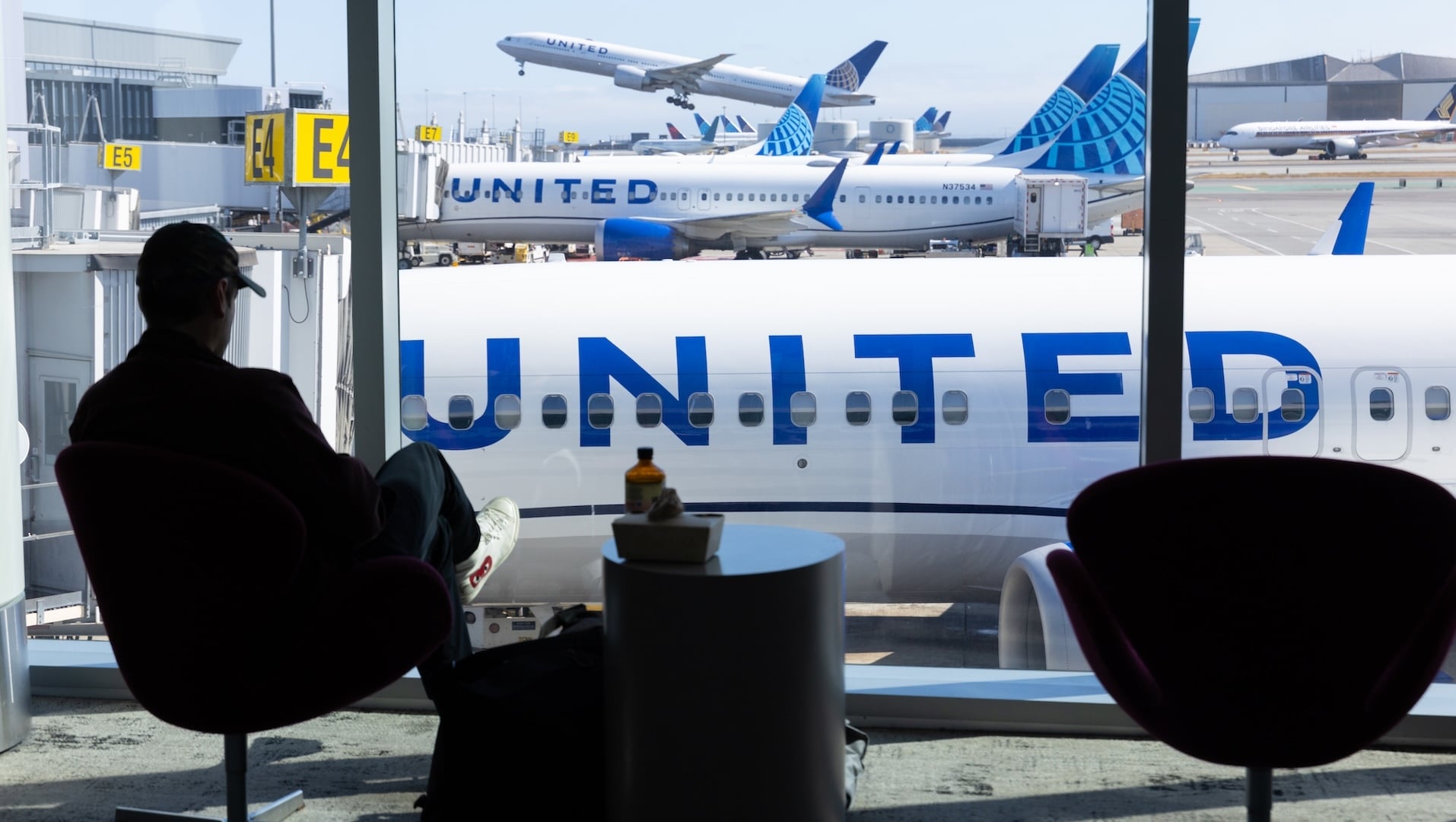
The incessant trouble in the airline industry reached a peak on Friday when the Federal Aviation Administration (FAA) issued a rare nationwide ground stop, halting U.S. air traffic for more than four hours due to a critical telecommunications and network outage.
It was a nightmare trying to get the flights back to normal over the weekend, and then on Monday, United Airlines reported a system outage that they eventually rectified.
Chaos is the operative word for airlines these days, with near misses in the air, and increasing delays and cancellations. Amid all these industry pressures, United has another concern: The airline isn’t happy with passengers who rely on their AI chatbots to make reservations.
CEO Scott Kirby says what?
First, let’s step back to just a few weeks ago, when United Airlines CEO Scott Kirby went on a podcast to brag about his latest personal breakthrough. After just three hour-long sessions with an AI tutor, the airline executive taught himself to “vibe-code” a custom sports-betting app, a tool designed to compare odds across platforms and automatically place bets on his behalf.
He called it an “AI epiphany.” Apparently, that epiphany only applies when the guy running the airline is using AI to hunt for better odds.
Which raises a rather curious question in my mind. If the CEO of a major airline builds his own automated betting tool, does that come with any guardrails? Pro athletes get lifetime bans for wagering on their own games, so one has to hope Kirby’s vibe-coded bot isn’t quietly placing action on prediction markets for “percentage of United flights delayed out of Newark.”
Now, I’m not accusing the guy of shaving points on departure times (or an unexpected system outage), though it might explain a recent long delay I had flying out of Newark. All stated in fun, but I digress.
United’s complicated take on AI
Recently, United updated its Contract of Carriage to explicitly ban third-party AI agents, like OpenAI’s Dots and Meta’s Muse, from booking, changing, or managing flights on behalf of passengers.
Even if you’re sitting right there supervising the transaction, United says that using a personal AI assistant to manage your trip is a no-go. Specifically, it means that United now classifies your reservation as a prohibited ticketing practice, giving the airline the legal right to cancel your trip without notice, confiscate your frequent flyer miles, and refuse to let you board.
Wow, sounds like United really, really hates it when you use AI. Which is odd, because the travel and hospitality industry — read United — has spent the last few years aggressively handing off reservation desks, customer support, and administrative jobs to AI.
So, let me get this straight. Is United suddenly preaching the irreplaceable value of the human touch? The airline cited data security, the risk of “unintended purchases,” and federal rules requiring passengers to personally attest during check-in that their bags don’t contain explosives as reasons for opposing chatbot purchasing.
OK, I get that. It makes sense. Well, sort of. Because, to me, what’s actually happening here is that United isn’t anti-AI. What I think United really means is, “Don’t use AI, unless it’s ours.”
If you’ve tried to rebook a canceled flight, dispute a baggage fee, or simply get a straight answer from an airline lately, you know how cumbersome the process is. You aren’t talking to a human being. You’re stuck in an endless loop with a clunky corporate chatbot or navigating an automated phone tree. Now, to be honest, have you ever done any of that successfully on your own without eventually having to speak with someone?
I didn’t think so. I think the whole thing is actually designed to make you give up before reaching a real person.
For years, major airlines, again, read United, have aggressively automated away human reservation desks, contact centers, and management roles in the name of efficiency. They’re also using AI behind the scenes to track your habits and tweak ticket prices on the fly — pun intended. What they’re trying to do is make sure you pay the absolute maximum you’re willing to fork over.
The rise of agentic AI, bots that don’t just summarize emails but actively browse the web, click buttons, and execute tasks for you, threatens to flip that behind-the-scenes tracking on its head. For the first time, regular people have access to automated tools that can finally fight bots with bots.
An AI agent working for you, and not the airline, doesn’t get tired of refreshing flight pages to catch a $40 fare drop. It doesn’t forget to apply your travel credits, and it won’t cave to endless pop-ups begging you to pay extra for a carry-on bag or a seat assignment.
Worse yet, from an airline’s perspective, a personal AI assistant strips away the airline’s direct marketing funnel. As Kirby candidly admitted at an event in Chicago on Tuesday, “To be honest, I don’t want to create another middleman.”
For decades, airlines systematically cut commissions and squeezed out traditional human travel agents. I guess you could say they were the original “middlemen.” Airlines hated paying someone else to advocate for the passenger.
Now, agentic AI is essentially giving every traveler a free digital travel agent. Why would airlines eliminate human travel agents just to let ChatGPT or Meta take their place?
And that brings us to the ultimate corporate double standard of the AI era.
When companies use AI to replace human booking agents, slash support staff, and jack up ticket prices, it’s framed as “innovation.” Workers lose their jobs, and customers are told to just deal with the bots left behind.
Yet the moment travelers deploy their own AI agents to hunt for cheaper fares, corporations slam the door shut, suddenly citing safety, compliance, and the sacred necessity of human involvement.
You can expect banks, retailers, and hotels to copy United’s ban and continue replacing human workers with bots, all the while forcing shoppers to just deal with them.
Until companies give back the human customer service they took away, banning our bots isn’t really about protecting travelers. After all, as any guy with a custom sports-betting app knows, the real goal is making sure the house always wins.
This article represents the opinions of its writer.
John Casey is a columnist at Raw Story, the Advocate, Daily Beast, and Outsports. He’s also the author of Love: The Heroic Stories of Marriage Equality.
Mashable